Not all stains respond the same way to soap and water. Wine behaves differently from grease. Makeup reacts differently from ink. When treated incorrectly, stains often become harder to remove rather than easier. Oils can spread, dyes can transfer, and delicate fibers can hold on to residue more tightly after improper treatment.
Professional dry cleaning takes a more targeted approach by identifying the cause of the stain and how it interacts with the fabric. From there, specialized methods are chosen to address the problem without harming the garment itself. This level of care is especially helpful when stains involve oils, dyes, or delicate materials.
Let’s take a closer look at the types of stains professional dry cleaning is best equipped to handle.
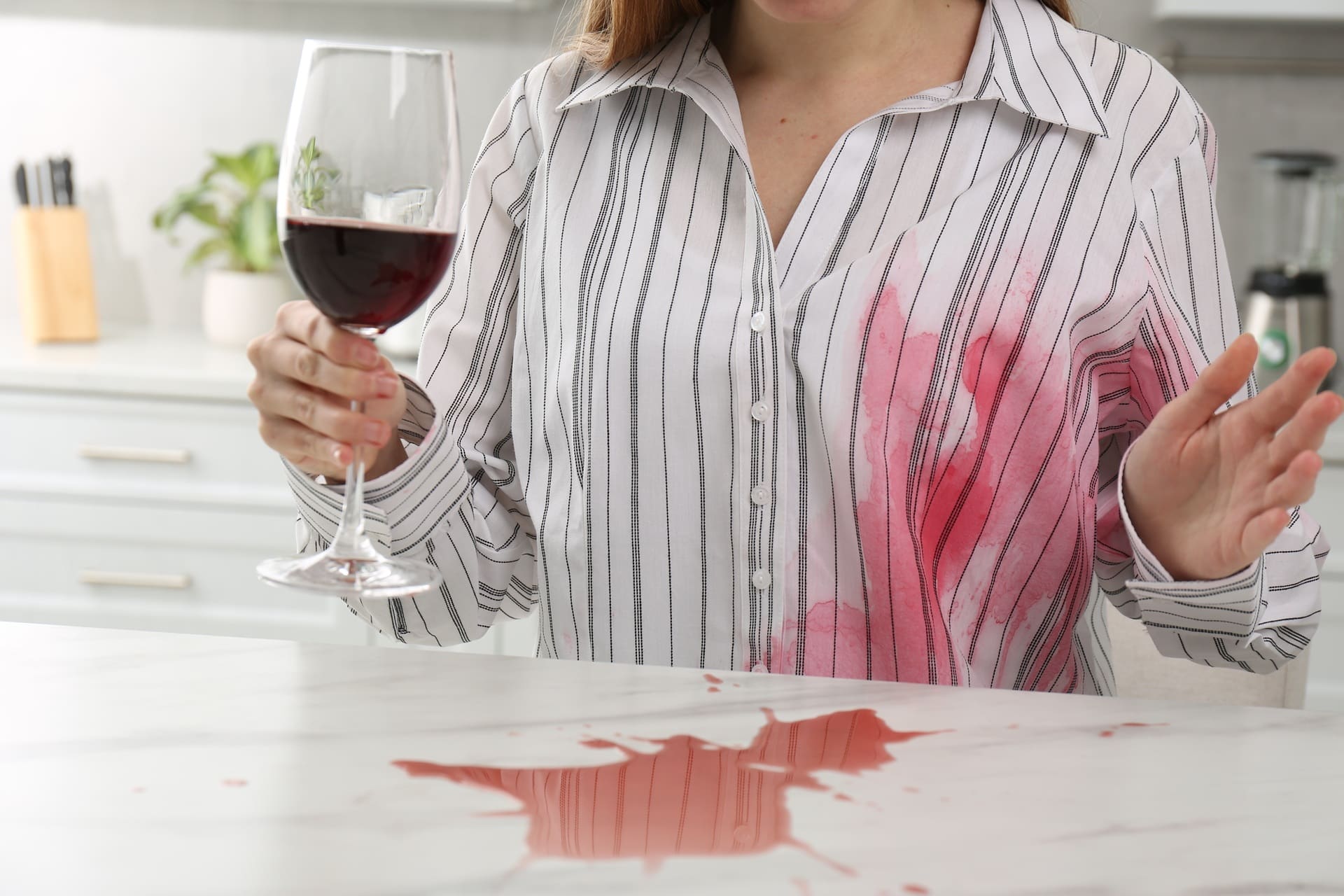
Red wine and other dark drink spills are some of the most common reasons people rush to the dry cleaner. These tannin-based stains contain strong dyes that soak into fabric fast, especially in natural materials such as cotton and silk.
Once the liquid sinks in, the color starts to cling to the fibers and becomes much harder to remove. If you apply heat from a dryer or an iron, the stain can set in, which is why acting quickly really matters.
Professional cleaners approach tannin stains with a structured method designed to reverse pigment bonding without damaging the fabric.
Professional dry cleaning removes both the visible stain and the pigment embedded in your fabric, increasing the likelihood that stains can be removed without damage. Because red wine and dark drinks contain strong tannins and react poorly to heat, you’ll protect the color and fibers of your garment by letting an expert handle it.
Grease and cooking oil stains can be especially frustrating when they happen to you. Instead of soaking evenly, the oil clings tightly to fabric fibers, making it difficult to remove. Because oil and water don’t mix, running the item through a regular wash can leave behind a greasy shadow or even spread the stain further. That’s why these stains respond better to a solvent-based treatment than to soap and water alone.
Professional dry cleaning removes grease effectively because the process operates at a chemical level designed to break down oil.
Scrubbing with dish soap may seem helpful, but it can weaken fibers or cause uneven fading. Grease stains need more than a simple rinse; professional dry cleaning removes the buildup effectively while protecting the shape and structure of your garment.
Makeup stains may look minor, but they’re often difficult to remove. Foundation oils absorb into fabric, setting sprays leave behind bonding residue, and lipstick deposits concentrated pigment that grips tightly to fibers. Because these products are formulated to last on your skin, they tend to cling just as firmly to clothing. Rubbing the area can push the stain deeper and make it harder to treat.
Cosmetic stains usually contain several elements, which means they require a layered, targeted approach.
Attempting to remove makeup at home often leads to smearing or uneven fading. A trained professional evaluates the fabric and applies the appropriate treatment to prevent discoloration. With skilled dry cleaning, even stubborn cosmetic stains often can be lifted safely.
Ink stains and dye transfer can quickly change the color of your garment. Permanent inks are formulated to resist fading, which makes them difficult to remove once they settle into fabric. Dye transfer occurs when color bleeds from one item onto another during washing, often leaving behind unexpected discoloration. Because aggressive treatment can damage the material, these stains require careful, controlled handling.
Ink and dye issues demand a precise, methodical approach to avoid spreading or setting the stain.
Fabric type plays a critical role in this process, as silk requires a more delicate approach than cotton or synthetic blends. A professional removes the stain while protecting your garment at every step. Even when ink or dye transfer appears permanent, prompt and careful dry cleaning significantly improves the chances of safely restoring the garment.
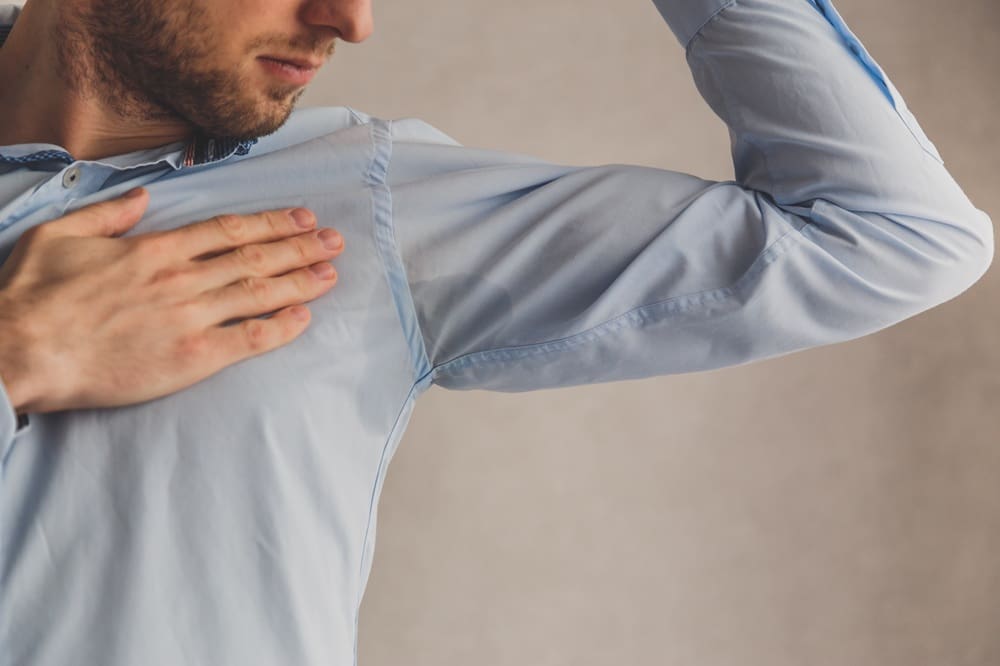
Sweat stains tend to build up slowly, so you may not notice them until yellowing begins to appear. They form when perspiration, body oils, and deodorant react with the fabric over time. As the residue accumulates, the underarm area can darken or feel stiff. Because this process happens gradually, many people don’t address it until the discoloration becomes difficult to ignore.
Professional dry cleaners treat sweat stains with a focused approach designed to reverse chemical buildup.
Heat can worsen yellowing, which is why professionals avoid high temperatures during treatment. They focus on dissolving the protein and deodorant residue that cause discoloration. Because the damage goes deeper than you can see, professional dry cleaning gives you the best chance of restoring the garment.
Delicate fabrics need extra care because they react easily to moisture and handling. Silk absorbs liquid quickly, wool is sensitive to water, and formalwear can lose its shape if treated improperly. Even a small amount of water can leave marks or change the texture. If you clean the fabric the wrong way, the damage can be worse than the stain itself.
Dry cleaning protects sensitive materials through controlled handling and fabric-specific techniques.
Formalwear and luxury garments are investments you want to protect, so they deserve careful handling. Professionals understand how fabrics respond and tailor their methods to maintain the shape and finish of your garment. When a delicate item gets stained, a simple cleaning method won’t do; professional dry cleaning helps protect the fabric while safely removing discoloration.
From red wine spills to grease splatters and underarm discoloration, some stains need more than a quick home fix. When the fabric matters and the damage runs deep, professional dry cleaning gives you the best chance of restoring your garment safely.
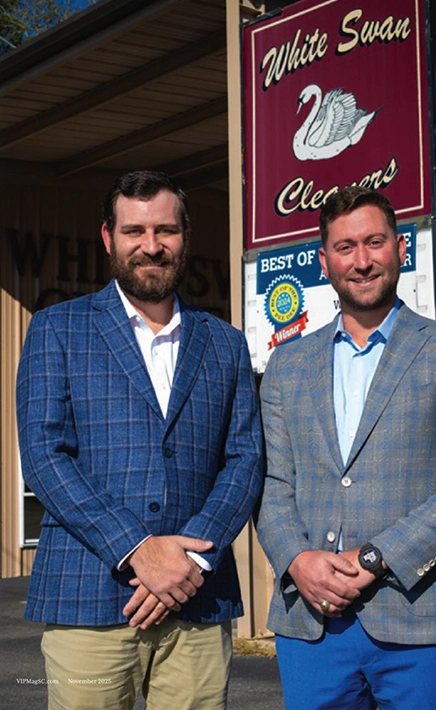
At White Swan Cleaners, we’ve been caring for shirts, formalwear, and delicate fabrics since 1964. With three generations of experience, award-winning service recognized as Best of the Pee Dee for multiple consecutive years, and eco-friendly cleaning technology, we treat tough stains with precision while protecting the structure and finish of your garments.
Whether you need same-day service or prefer our FREE Pickup and Delivery Service, we make expert garment care convenient and dependable.
Not sure if that stain will come out? Bring it by or give us a call; we’ll take a close look and let you know the best way to treat it.
📞 Call us: 843-438-7707
📧 Email: whiteswancleaners15@gmail.com